
WorkshopsAll imagery on this page is made by Yara Broekhoff unless stated otherwise
Tear mending
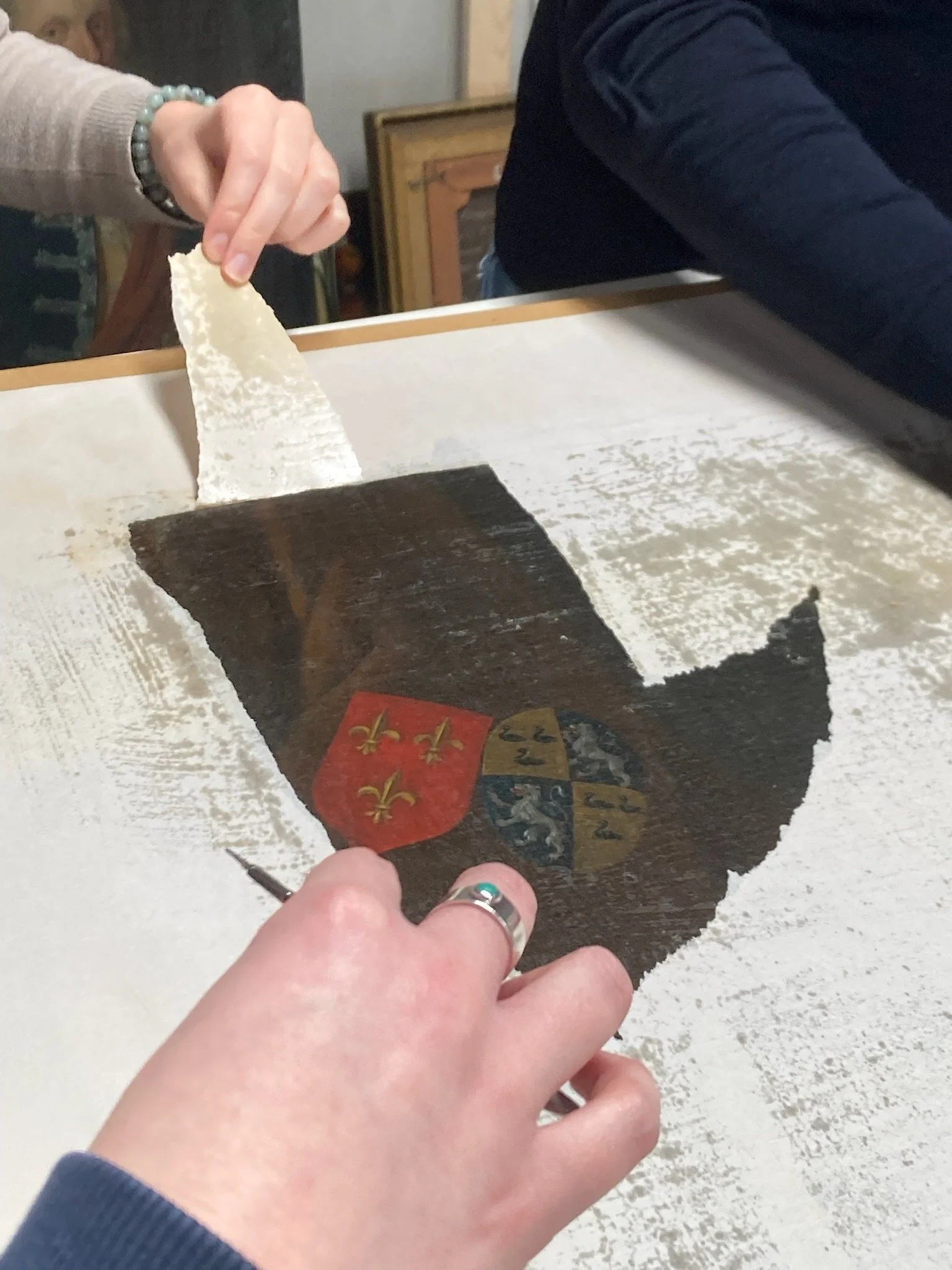
Petra Demuth (Technische Hochschule Köln) led a workshop that focused on the aims, rationale, and history of the single thread bonding technique (also called thread-by-thread tear mending technique). The workshop included discussing and working with the instruments used, joining strategies and typical procedures, reweaving technique, special paint consolidation procedures, the realignment of open tears, as well as the treatment of canvas deformations. Different adhesives were tested, along with strategies for the choice of supplementary support with bridging threads and inserts.
Specialist
Petra Demuth
Date
17/01/24
Duration
3 days
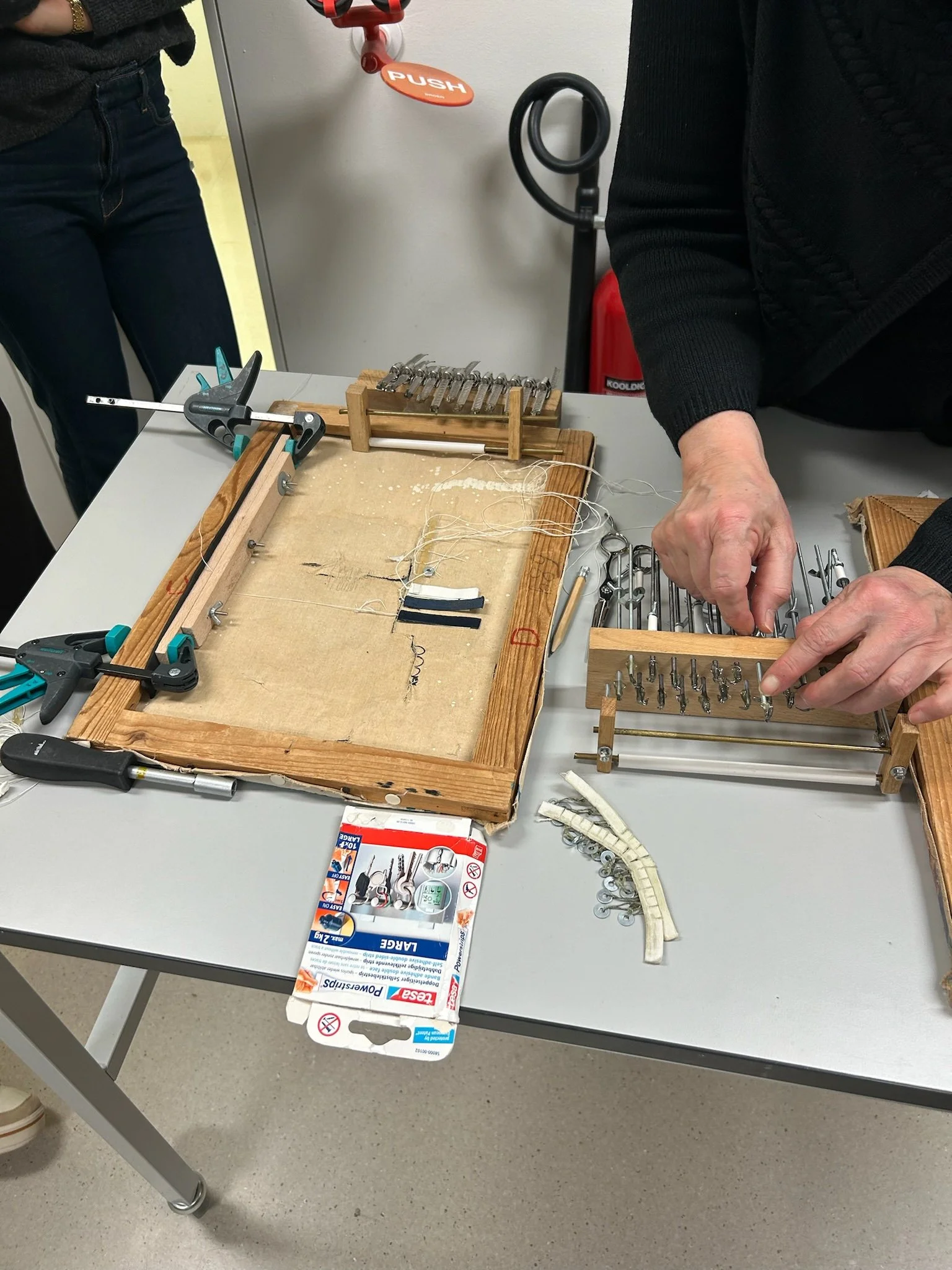
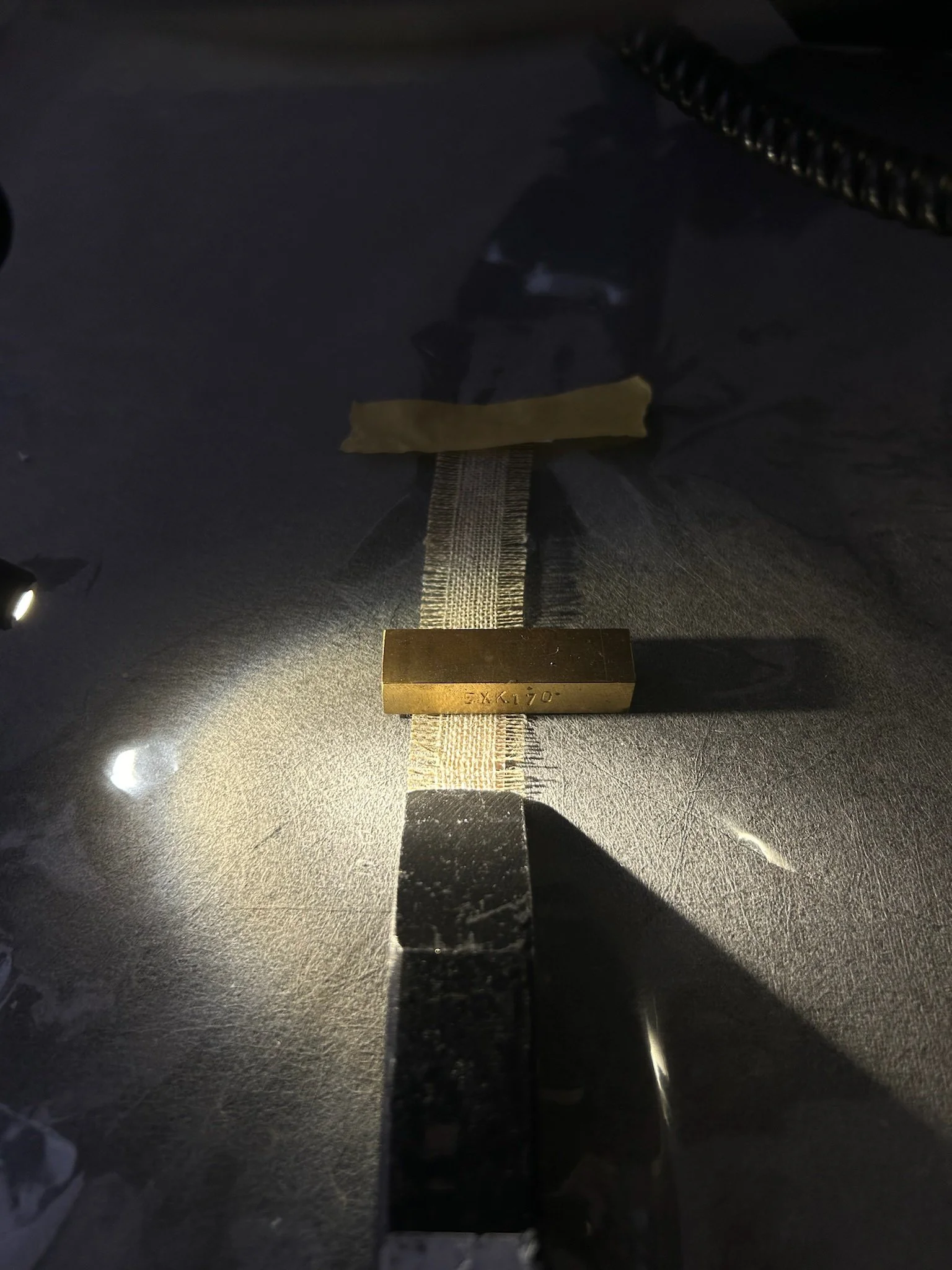
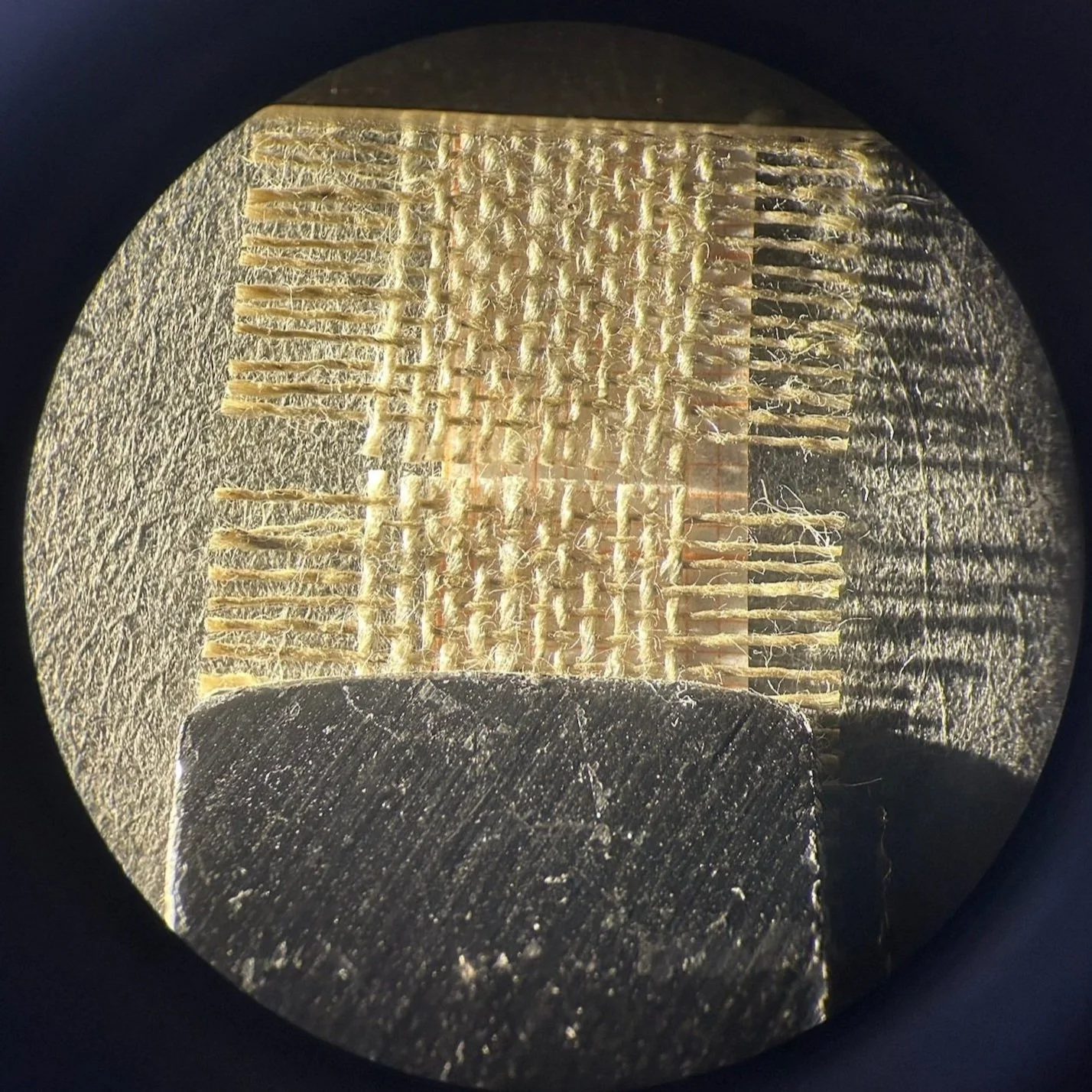
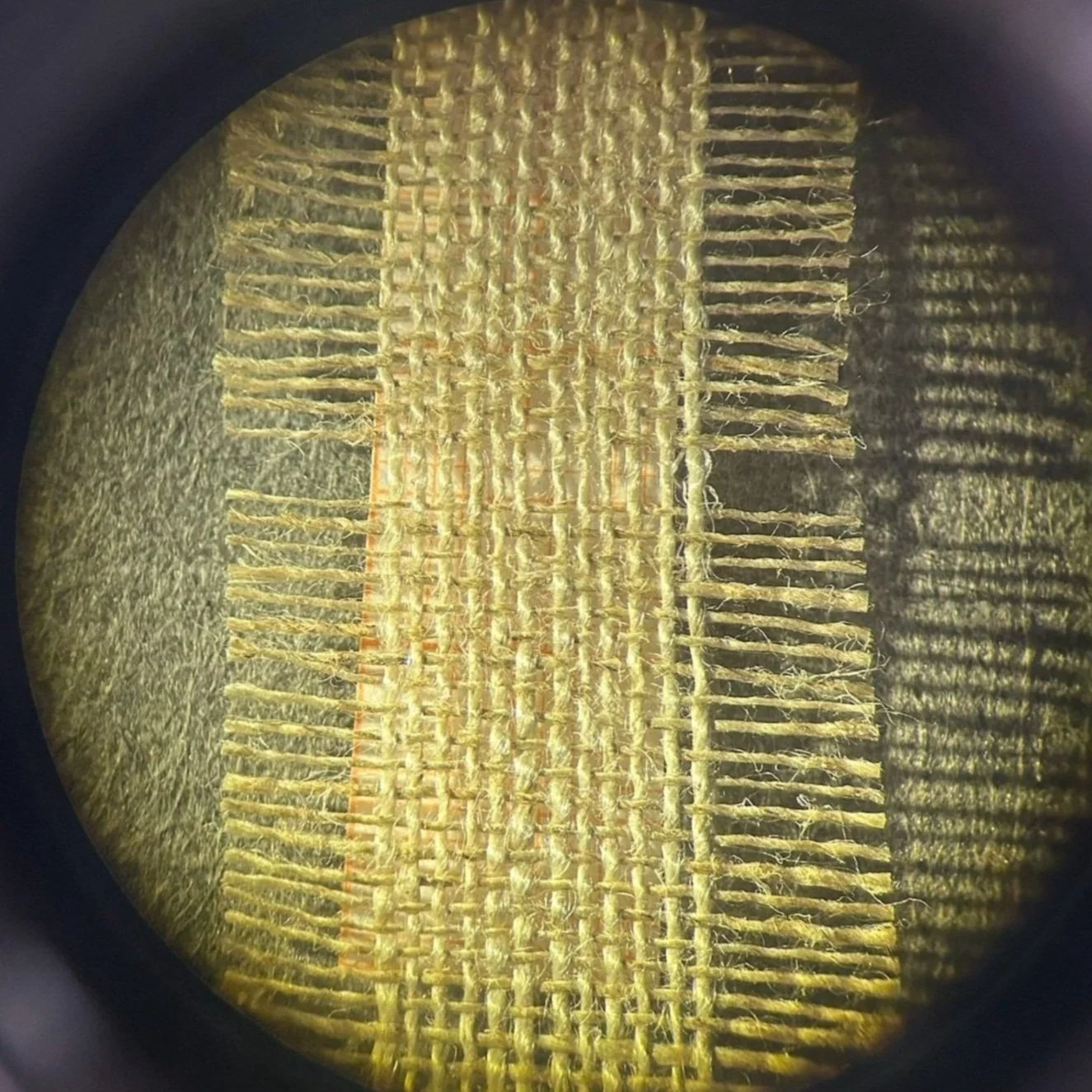
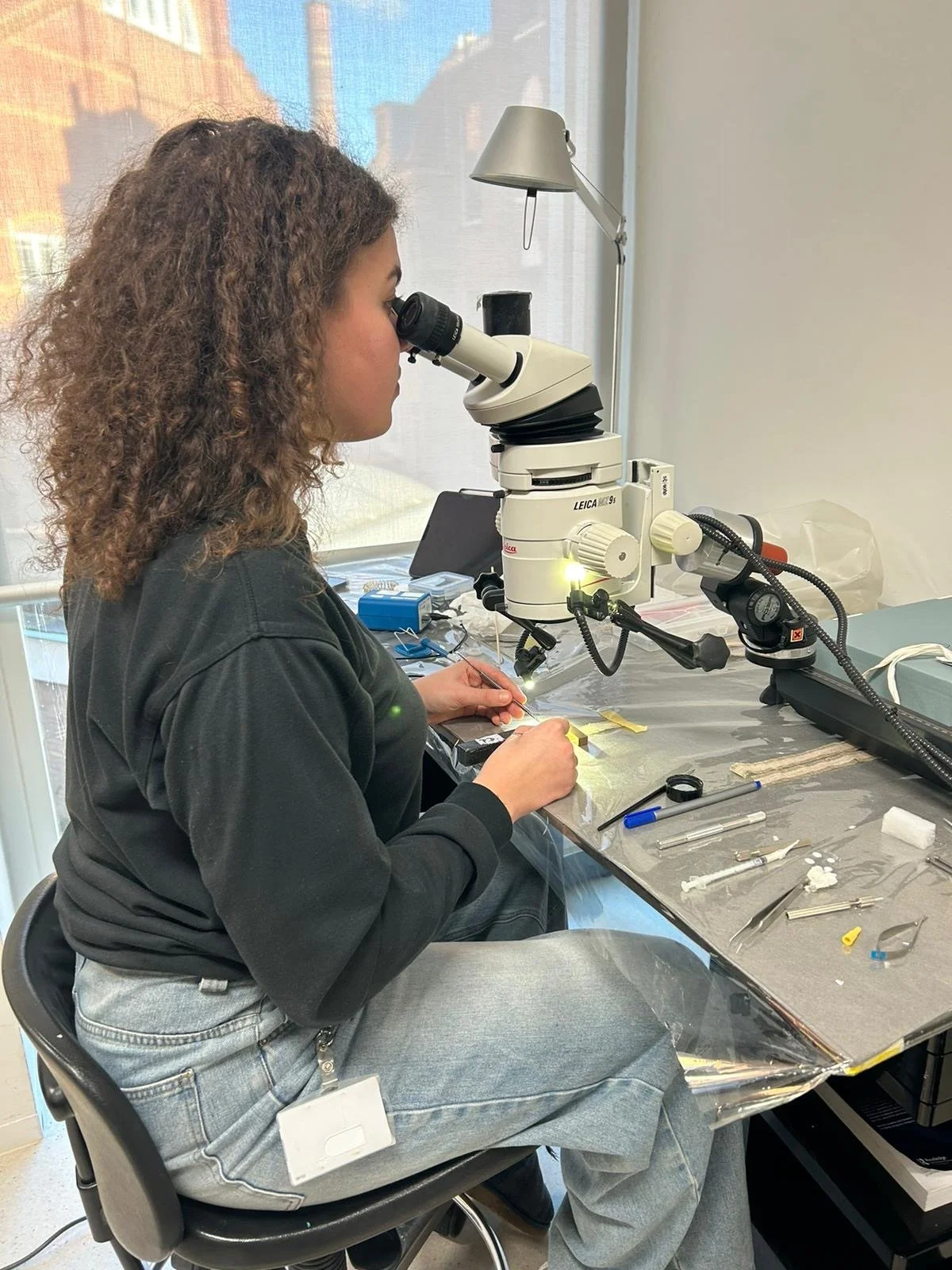
Photograph Camilla Dongelmans
Backing and reverse protections for canvas paintings
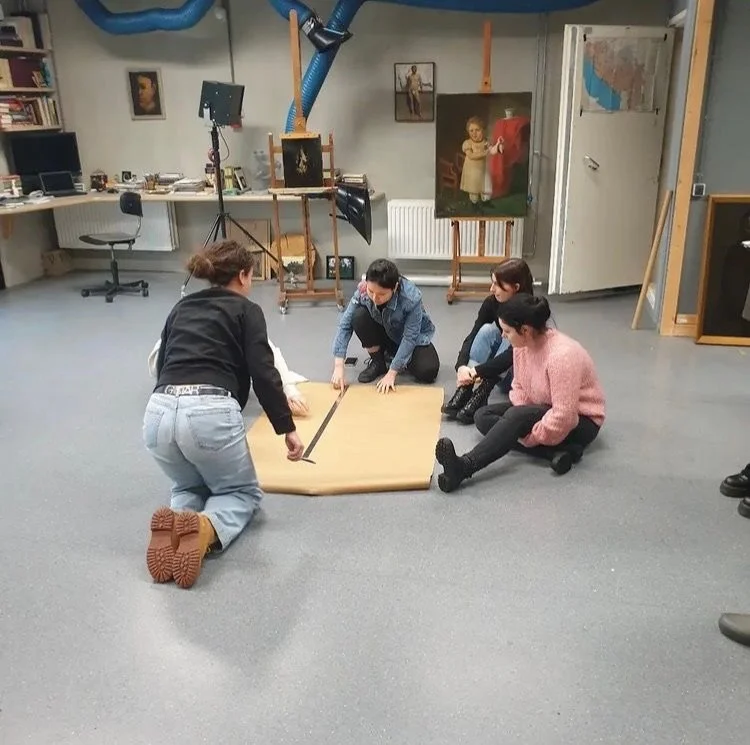
This workshop focused on providing an overview of different methods and materials that can be used to protect the verso of canvas paintings. Various types of backing and reverse side protections can be employed to ensure the longevity and stability of paintings. They can play a significant role in helping preserve the structural integrity of (especially non-lined) textile supports, in addition to safeguarding them from the impact of environmental factors and mechanical damage. Historical approaches were juxtaposed with recent developments. In addition to discussions about ethics and a lecture by dr. Kerstin Kracht (Technische Universität Berlin) on choosing and designing a protection according to different scenarios, the afternoons with dr. Natalia Gustavson (UvA) focused on working with different materials and creating various backing boards.
Specialists
Dr. Kerstin Kracht and dr. Natalia Gustavson
Date
8/01/24
Duration
2 days
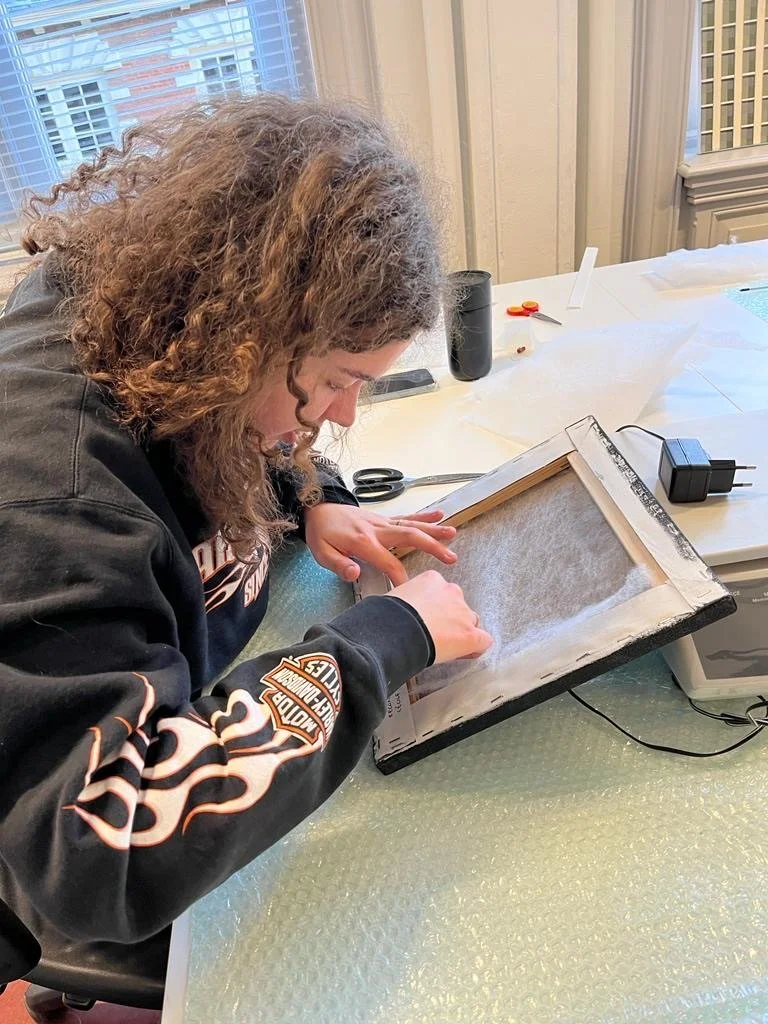
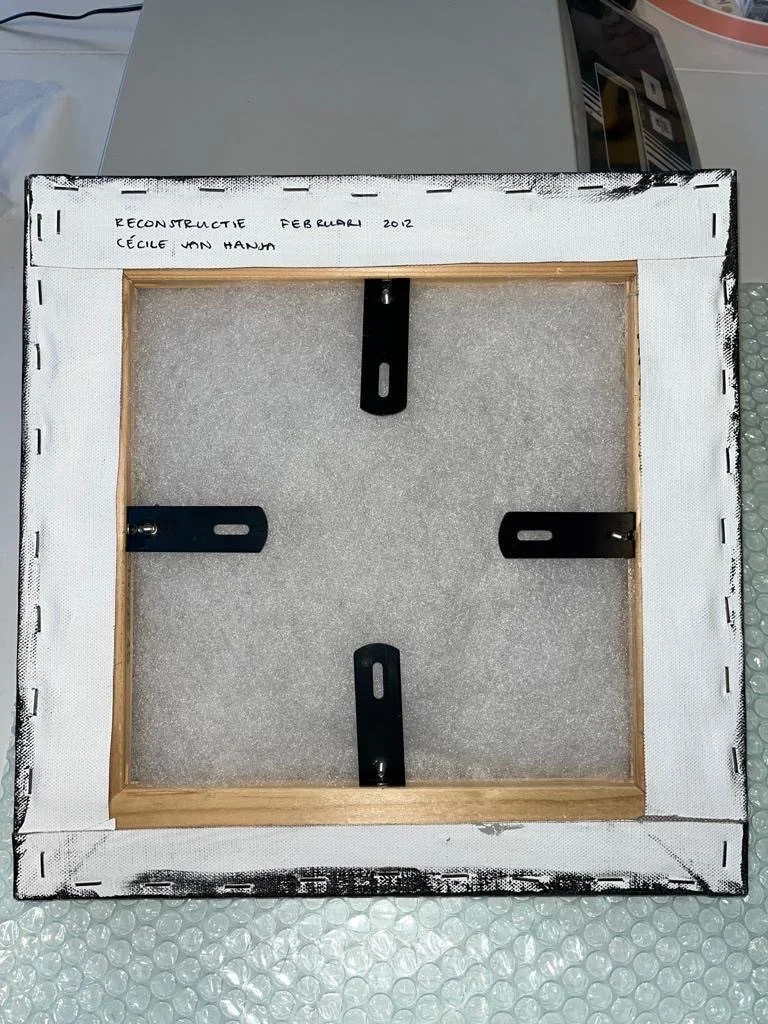
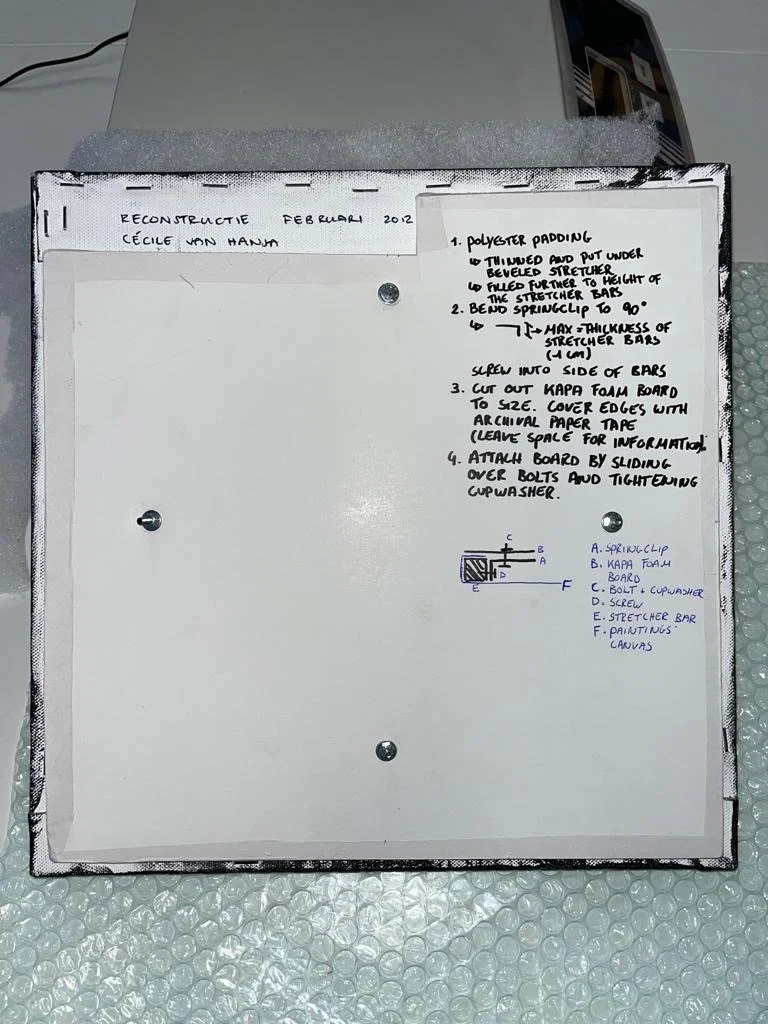
All three photographs Audrey Boivin
Materials and methods for surface cleaning and removal of organic film forming
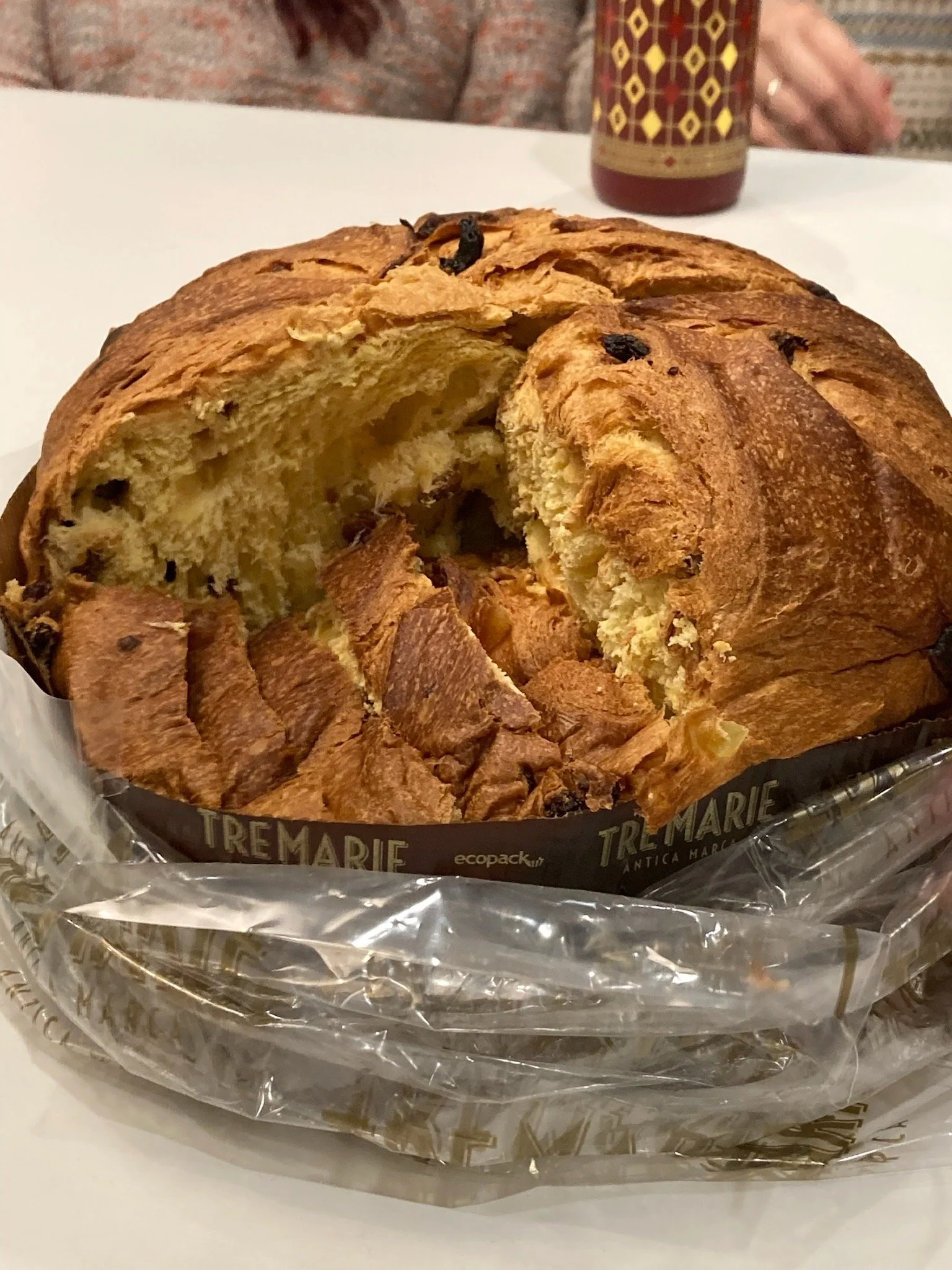
The subject of this workshop was cleaning methods for fine art surfaces. Paolo Cremonesi, the lecturer, is working as a freelance cultural heritage chemist. He has been teaching a cleaning workshop since 1995. Among the subjects discussed and tested were the aqueous environment (water, acid, bases, surfactants, and chelators), salts and inorganic materials, organic solvents and Wolbers’ solvent-surfactant gels, gels and emulsions, and the removal of film-forming materials. With lectures in the morning and practica in the afternoon, this workshop provided interesting insights into the chemical and practical side of surface cleaning. On the last day, Cremonesi brought a delicious panettone (just in time for Christmas!) from Italy.
Specialist
Paolo Cremonesi
Date
18/12/23
Duration
5 days

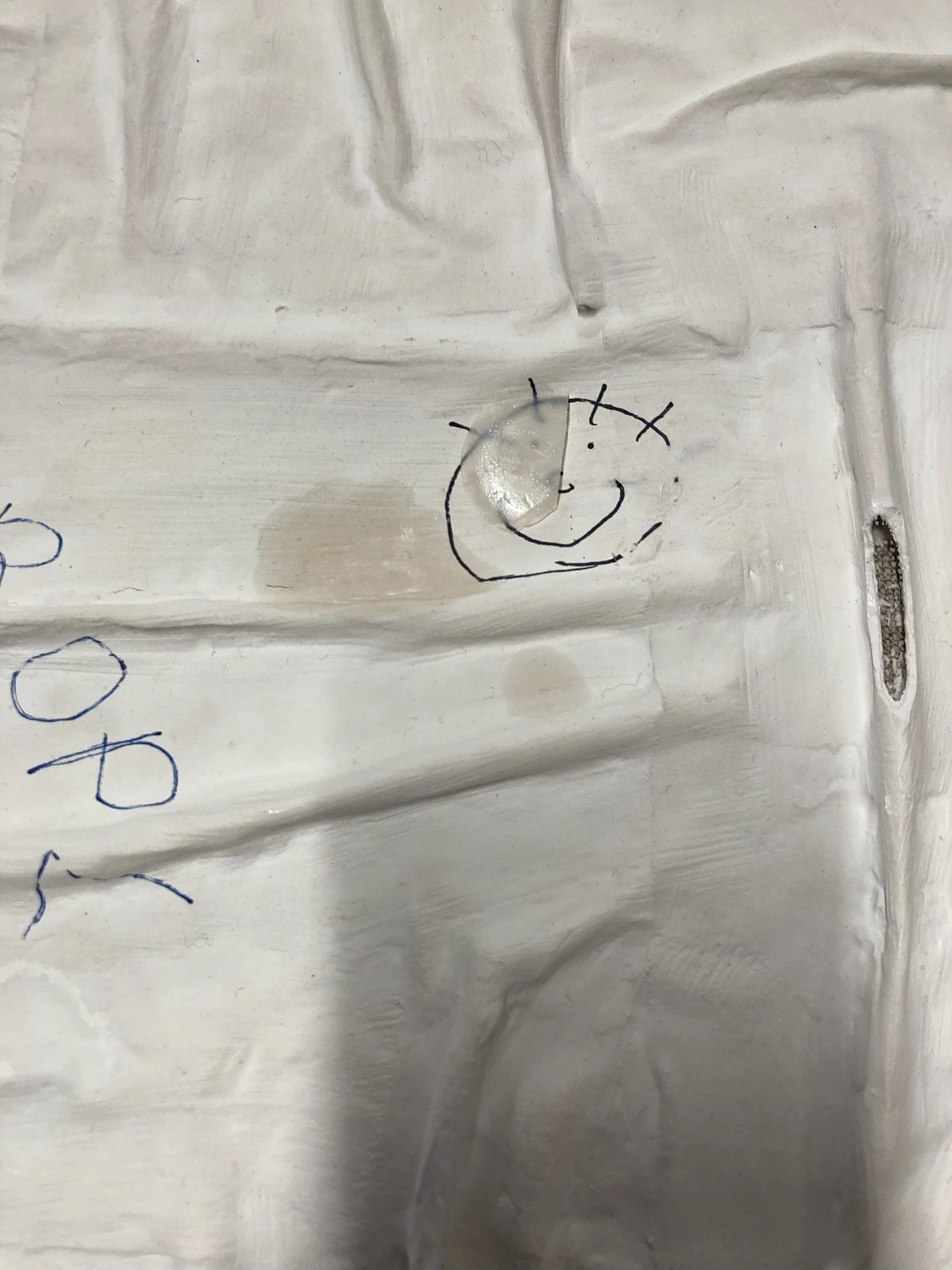
Photograph Audrey Boivin
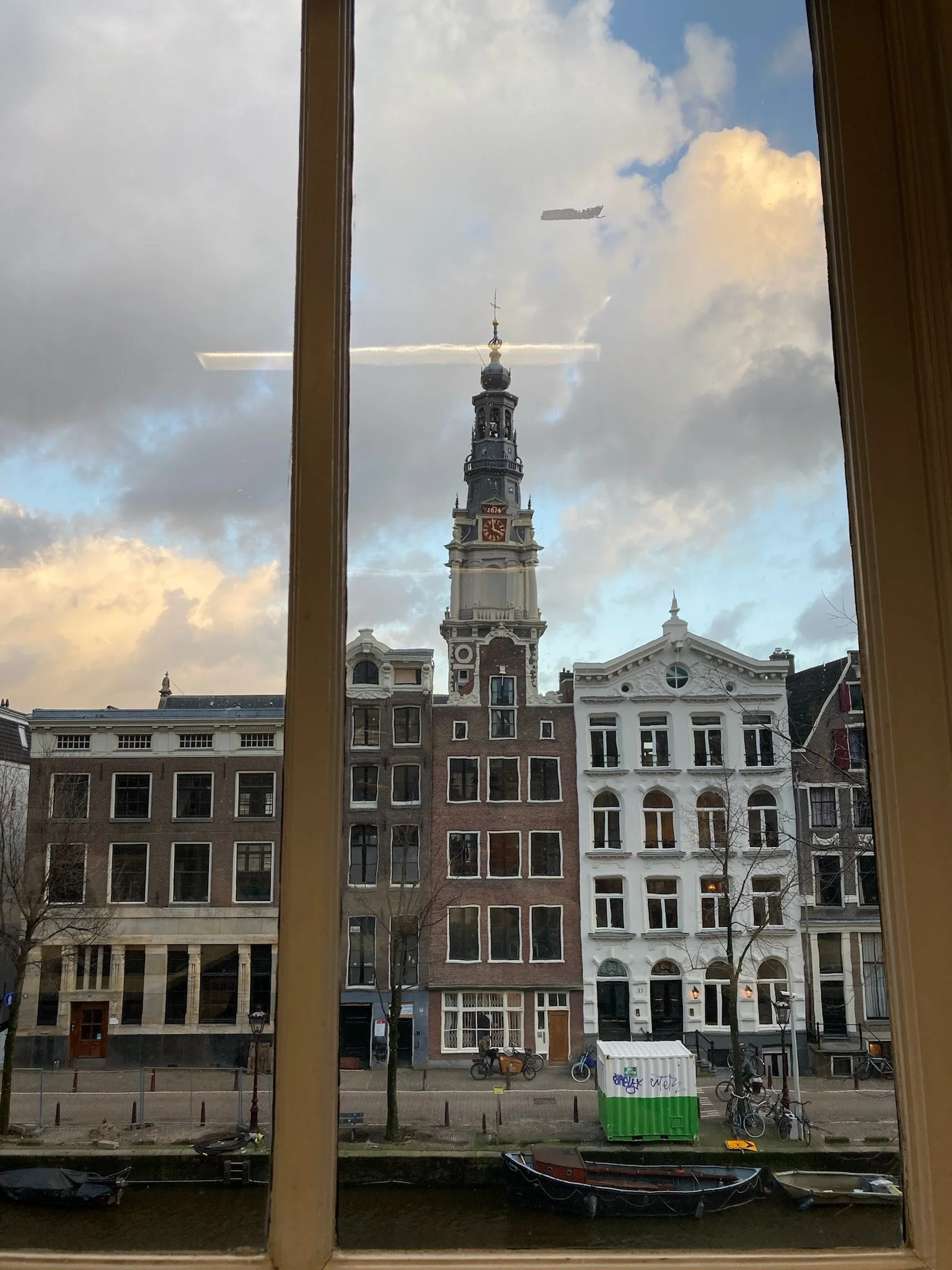
Vibrations in Collections and Transport
The Cultural Heritage Agency of the Netherlands (RCE) conducted a research program led by dr. Bill Wei (Vibmech) into the effect of vibrations on the condition of valuable heritage objects. Vibrations caused by sources in or near collections, and during loan transport continue to be a major concern for museum and collection professionals.
The main results of the research were analysed during this workshop. In addition, lectures on practical experience, the results of a statistical survey of loan transport, vibration testing of objects, and demonstrations of vibration monitoring equipment and methods were presented.
Specialist
Dr. W. Bill Wei
Date
30/11/23
Duration
1 day
Modern lining techniques
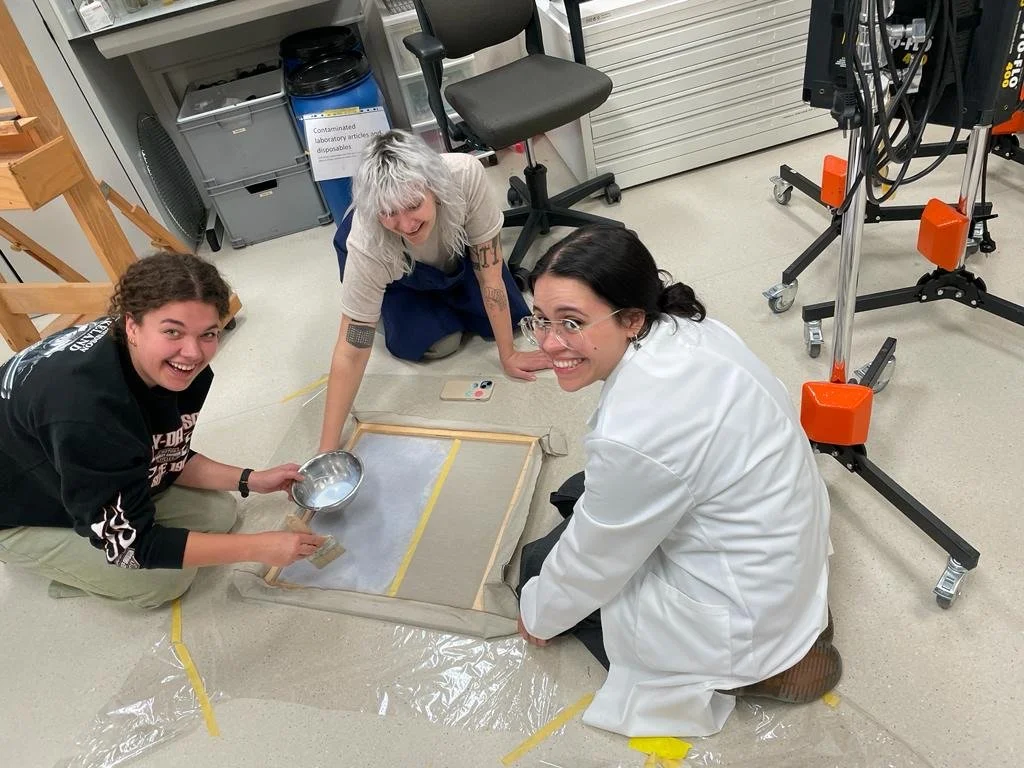
Paintings conservator Marie-Noëlle Laurent-Miri (CY Cergy Paris Université) presented research into the study of the mechanical stress within an easel painting after receiving a traditional lining. The research also investigated alternative materials and techniques that reduce the artwork’s reactivity to (changes in environmental conditions and guarantee more mechanical stability.
The practical side of the workshop focused on handling different substrates (canvas, non-woven polyester, etc.) and adhesives (BEVA® 371, Tylose, Plextol© B500, etc.). Different types of linings were carried out with these materials using various modern procedures.
Specialist
Marie-Noëlle Laurent-Miri
Date
28/11/23
Duration
2 days

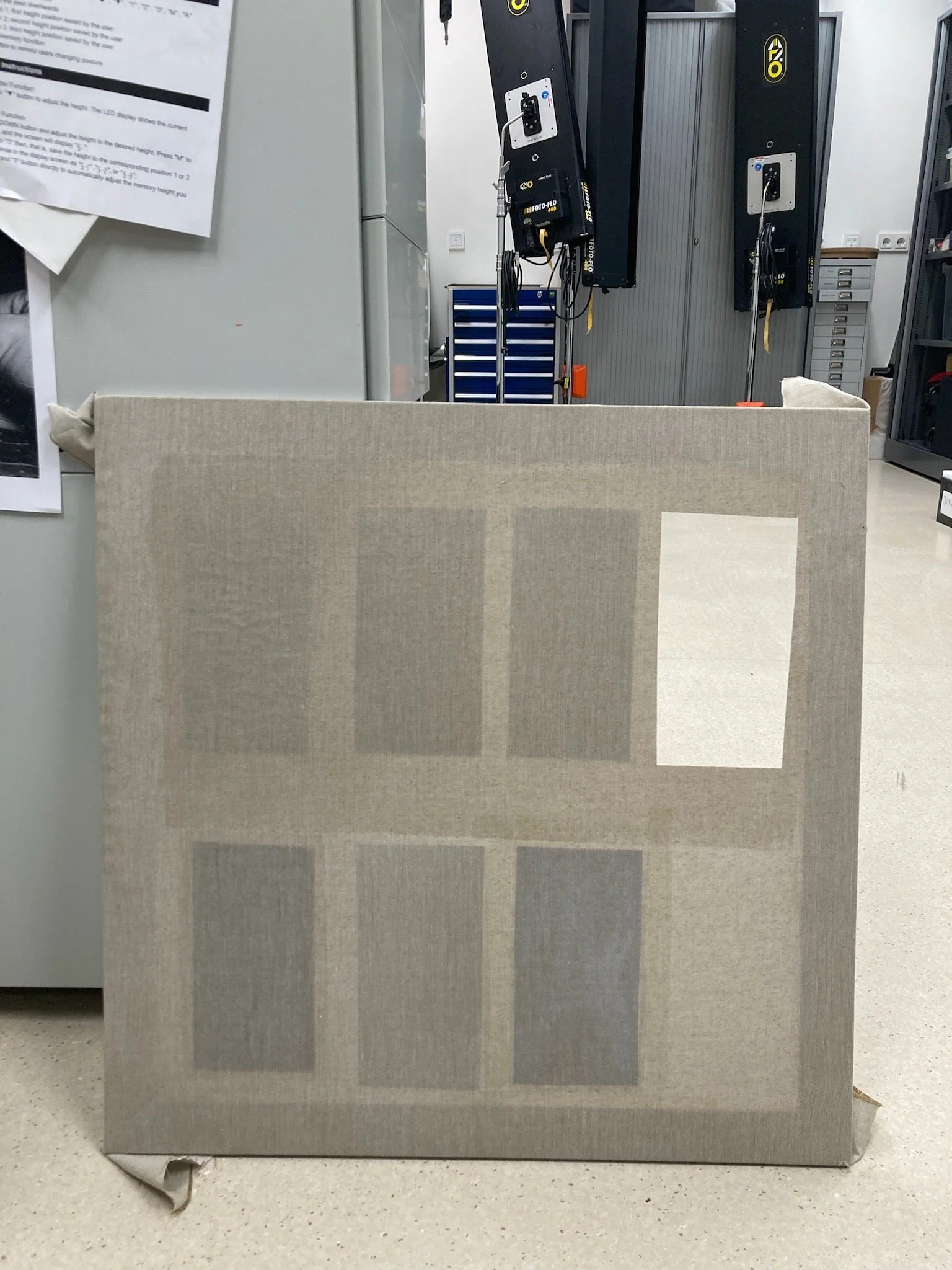

Photograph Emilie Froment
Stretching canvas paintings
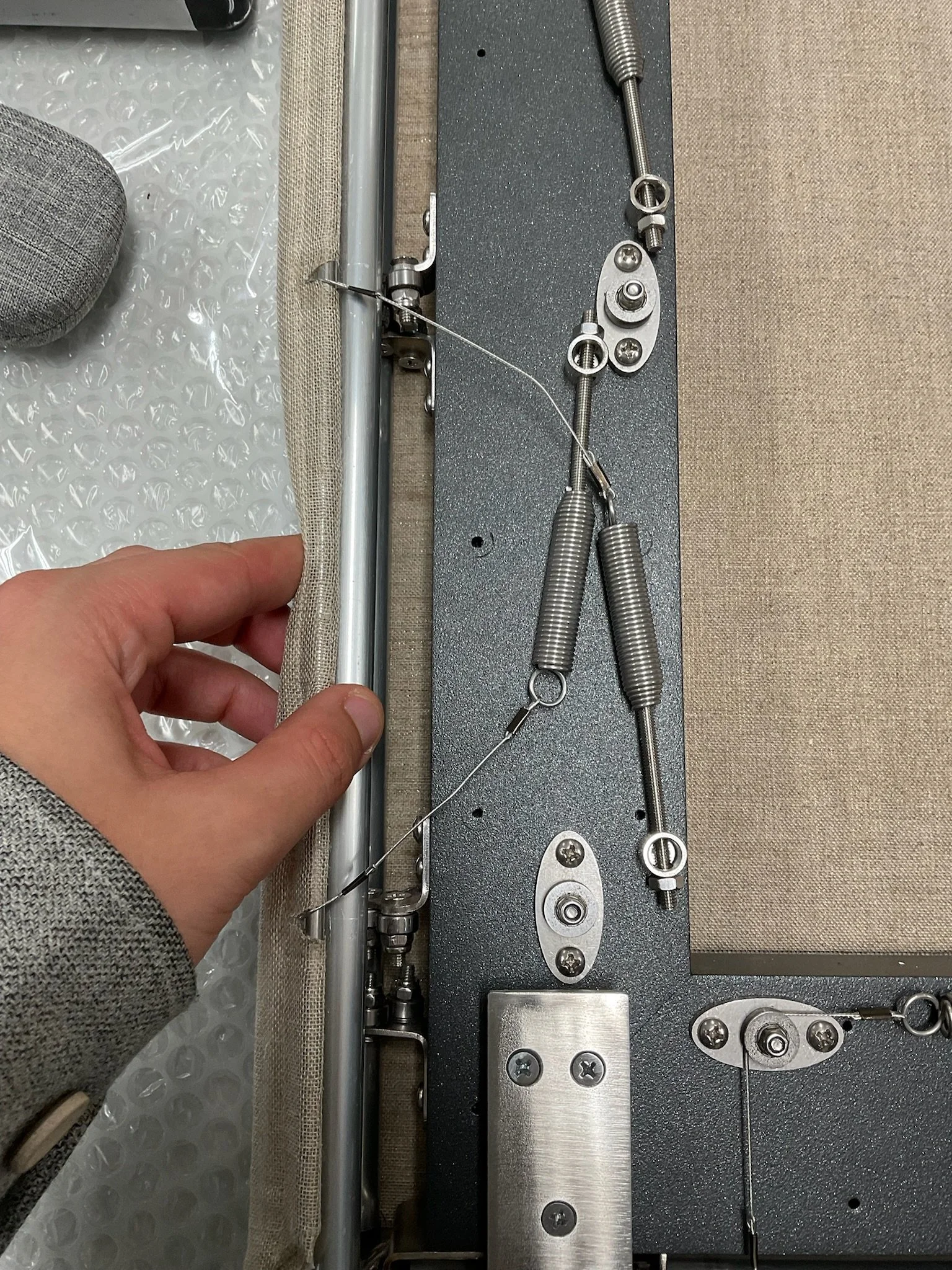
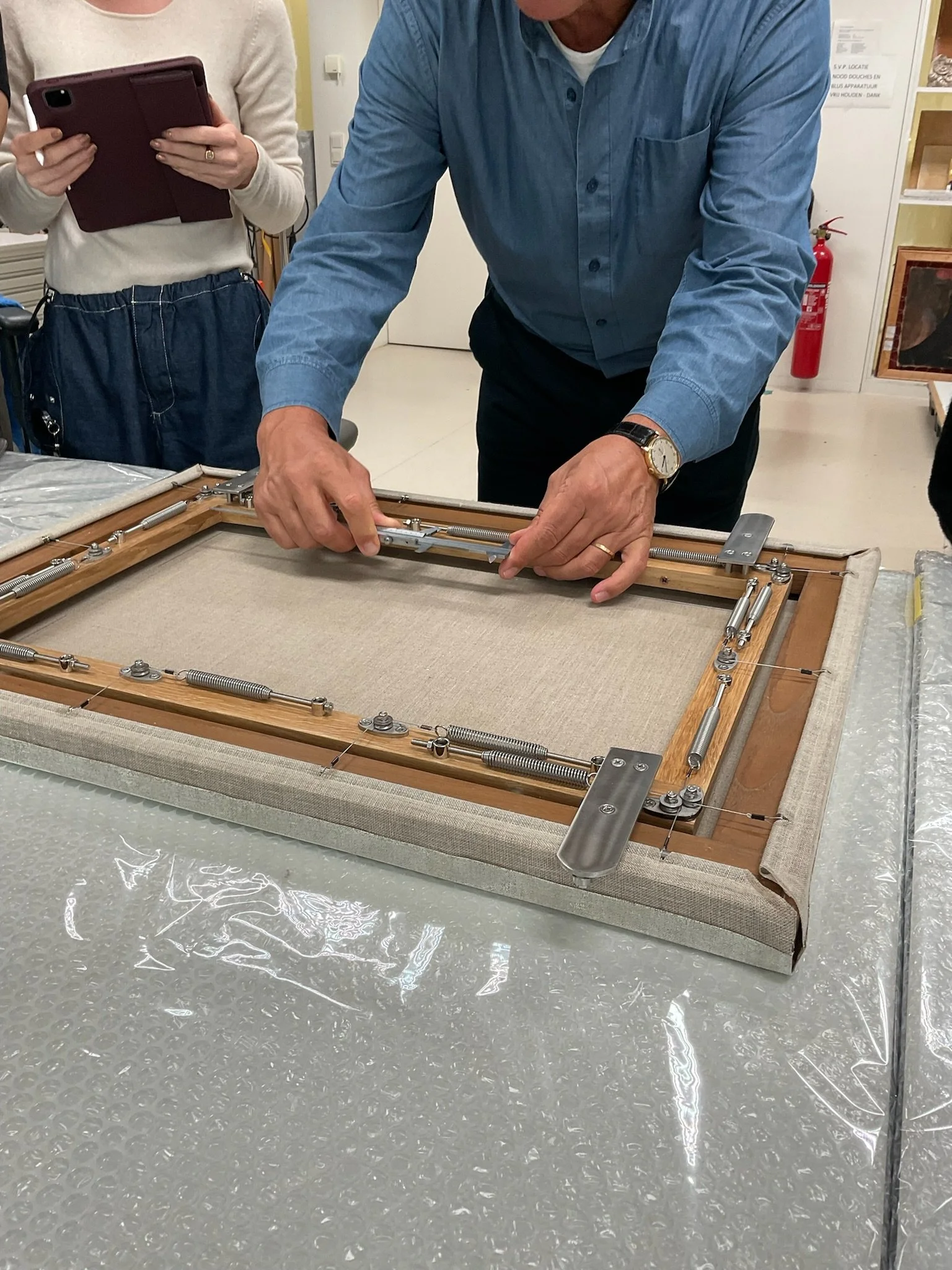
Italian conservator Antonio Iaccarino Idelson (co-creator of Equilibrarte) specializes in stretchers and tension systems and has been developing a strainer with a spring system since the 1990s. This spring system evenly distributes the tension in the canvas. Iaccarino Idelson elaborated on his strainer design, in addition to explaining its workings and the case studies he has researched during his career. After an interesting lecture and workshop, Iaccarino Idelson showed us the spring system of De Nachtwacht (The Night Watch), which is also his creation. This spring system (initially invented in the 1950s by Roberto Carità, an Italian art historian and conservator) has saved many paintings from severe degradations caused by time and fluctuations in relative humidity.
Specialist
Antonio Iaccarino Idelson
Date
11/10/23
Duration
1 day
Mechanical behaviour of canvas paintings
This workshop, led by Cécilia Gauvin (S-MA-C-H), aimed to develop an insight into the processes behind the mechanical behaviour of canvas-supported paintings. The causes behind mechanical failures commonly observed in canvas paintings including cracks, paint layer delamination, and planar deformations were analysed. Furthermore, the workshop trained us to develop a conservation strategy aimed at solving structural issues in these paintings.
Firstly, the key concepts in the mechanics of materials were discussed. Secondly, the focus lay on the mechanical behaviour of each material usually used in canvas paintings. Special attention was given to how canvas paintings may react when exposed to shifts in relative humidity and what type of degradation can be the consequence of this. We trained with measurement techniques that are useful to quantify the effects of changing environmental conditions on painting materials. The workshop included a class on the analysis and data processing of our measurements.
Specialist
Cécilia Gauvin
Date
2/10/23
Duration
5 days
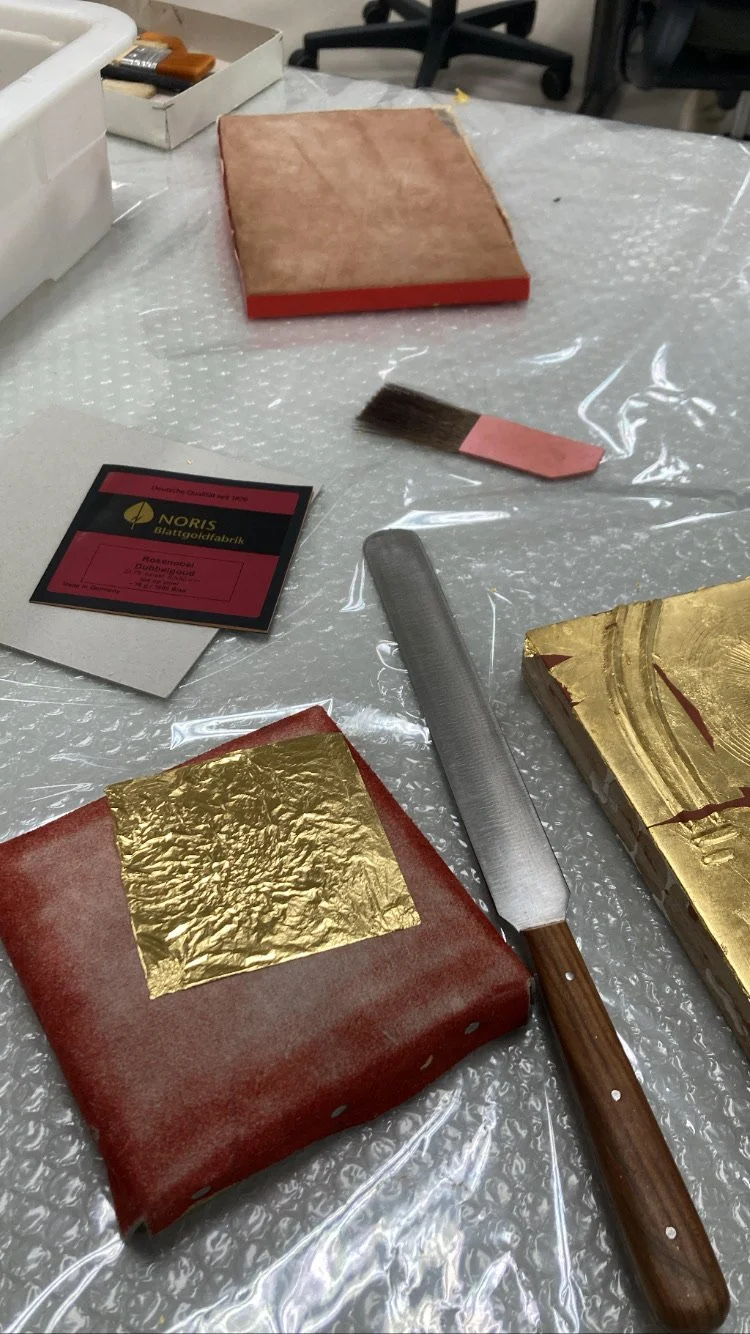
Reintegration of gilded areas
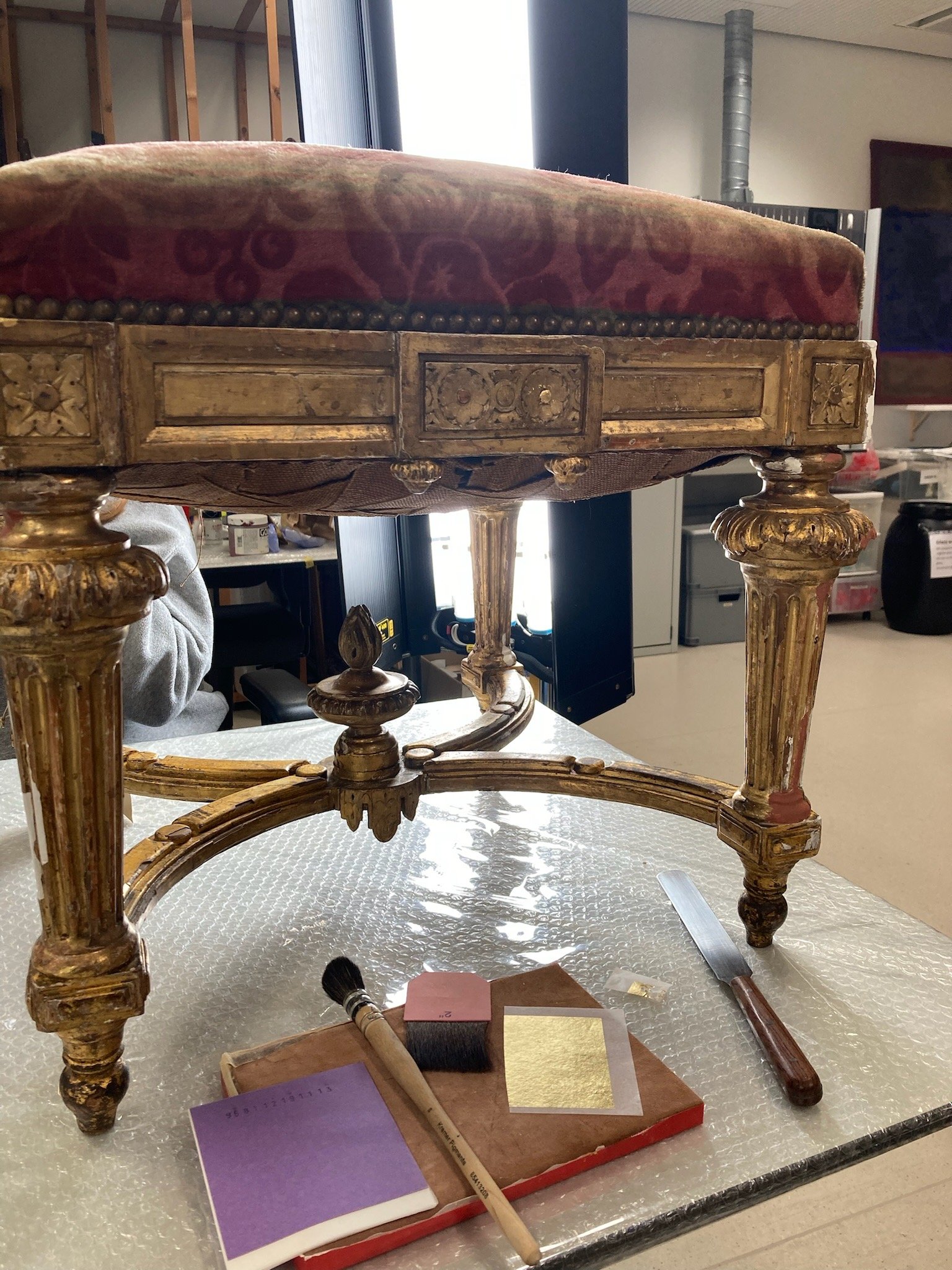
Sophie Glerum (UvA) gave a workshop on the types of gilding that can be employed on furniture, frames, and paintings. The specifications of water-based gilding and oil gilding were discussed and practiced. In addition, the cleaning of surface dirt from gilded surfaces was explored and other options, such as laser cleaning, were discussed. The removal of bronze paint and the ethics surrounding the removal of old regilding layers were considered. Lastly, the consolidation of gilded areas and the choices of consolidation medium were analysed.
Specialist
Sophie Glerum
Date
17/04/23
Duration
1 day
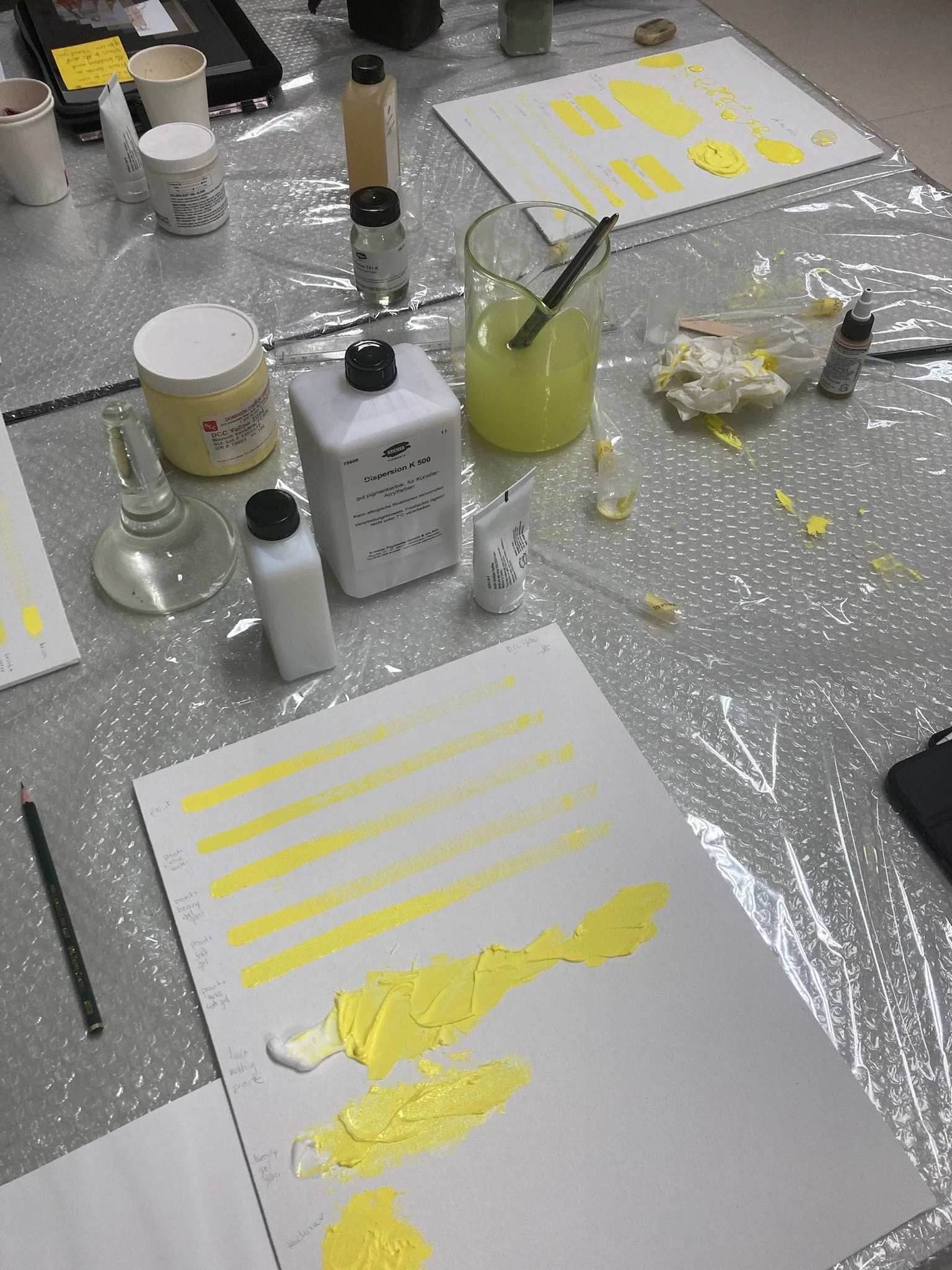
Modern paint systems:
Physical properties of acrylic paint
Paintings conservator Mirjam Hintz (UvA) led a workshop focused on the physical properties of acrylic paints. The workshop was an introduction into the test methods of acrylic paints which are commonly used in paint manufacturing. The workshop provided a practical understanding of contemporary acrylic paints.
In addition to the workshop, Klaas Jan van den Berg (UvA) presented the aspects of modern oil paint and how they differ in composition from pre-industrial paints. The consequences of these differences in terms of working properties and the particular visual and physicomechanical phenomena related to these paints were discussed. These phenomena include phase separation, loss of co-and adhesion, efflorescence, and solvent sensitivity, which can all (separately or simultaneously) lead to serious conservation problems. Van den Berg also elaborated on the manufacturing process and chemical composition of synthetic polymer-based paint, which has been in use since the 1950s.
Specialists
Mirjam Hintz and prof. dr. Klaas Jan van den Berg
Date
20/03/23
Duration
2 days
Video Chloe Chang
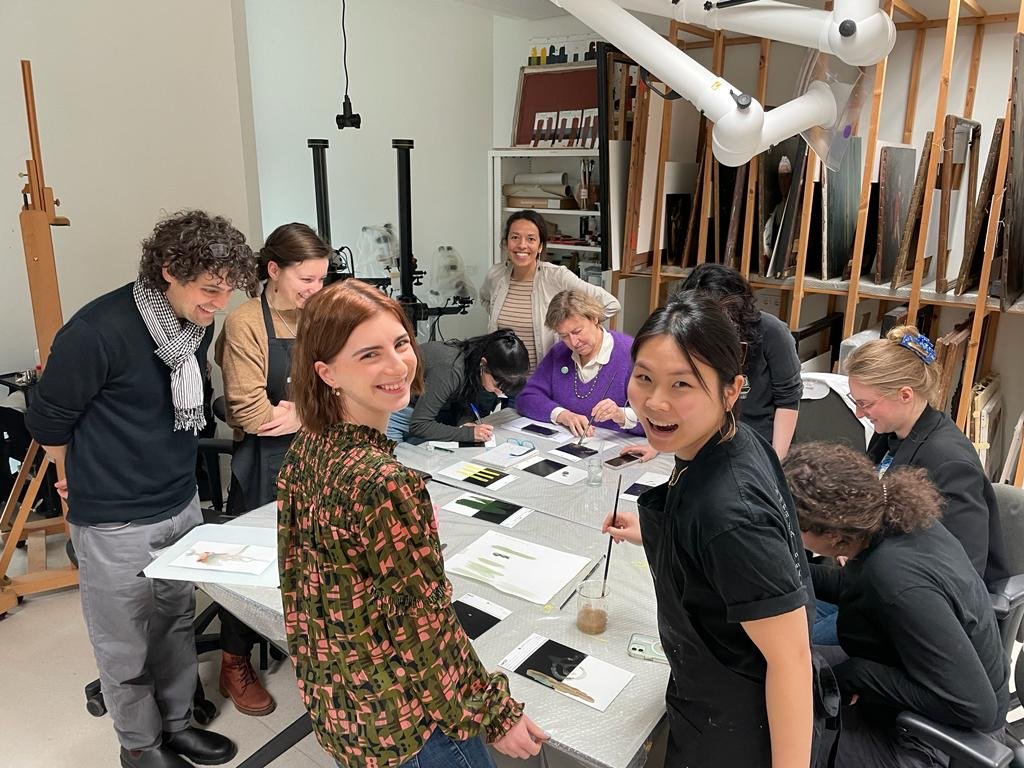
Photograph Emilie Froment
Colour theory
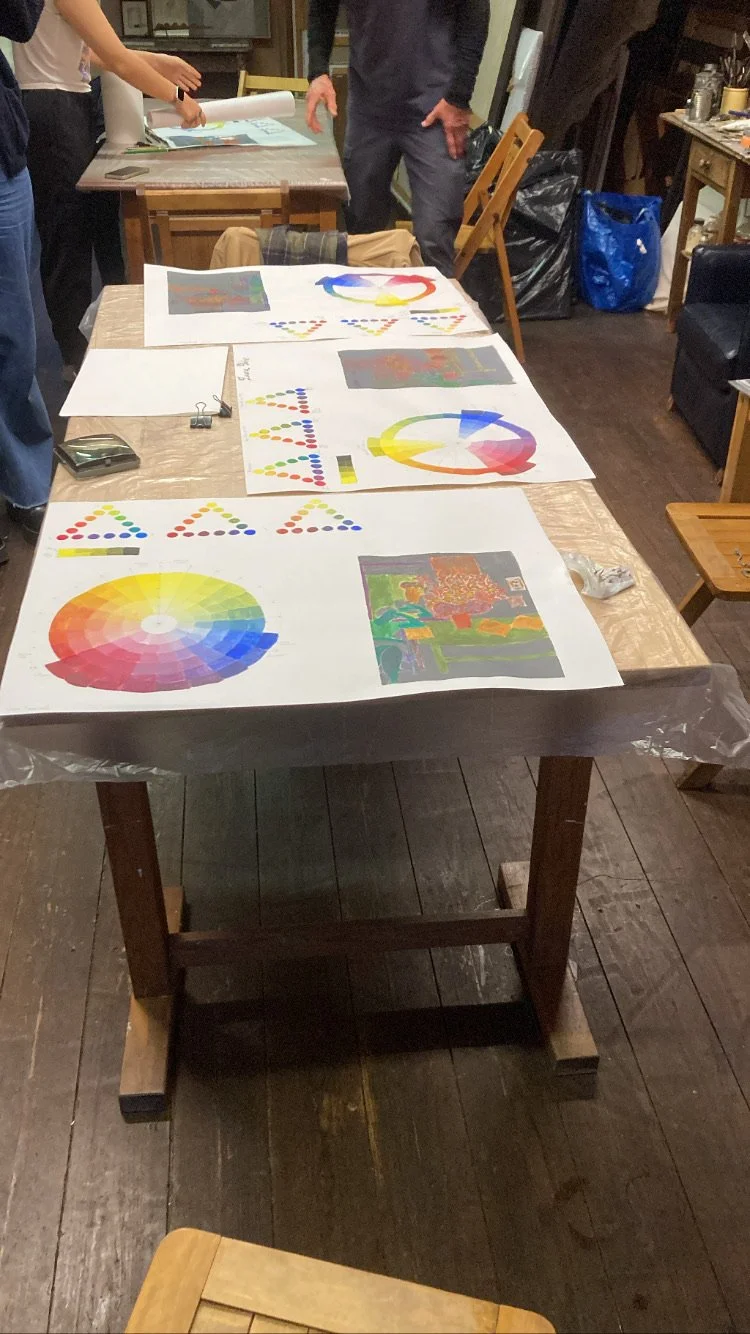
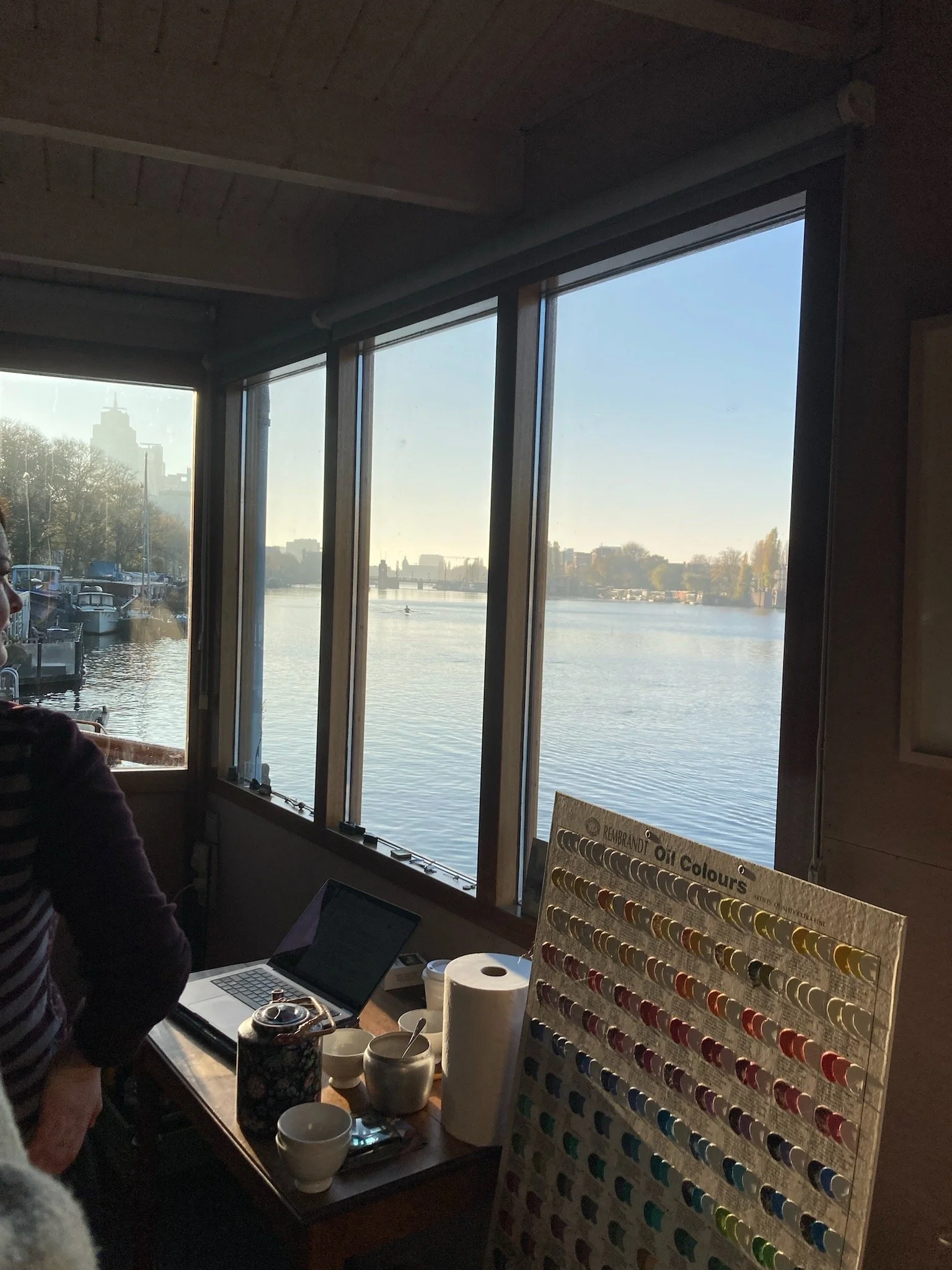
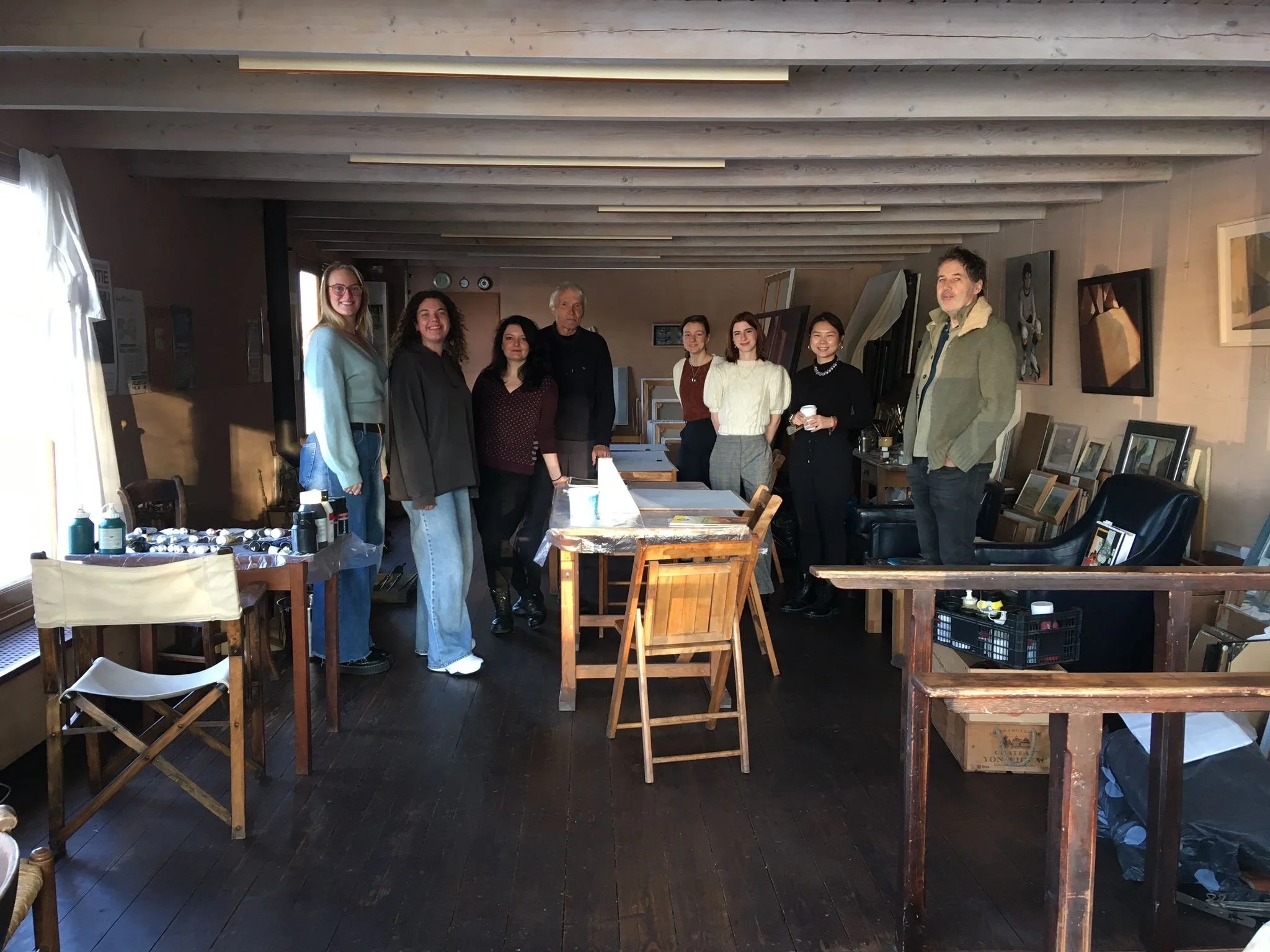
During this workshop, artist and painter Paul Versteeg taught basic colour theory. This concept forms the basis for understanding the condition of paintings and anticipating the optical effects of conservation treatments on the appearance of pintings. Notions like values, lightness, hue, and colour contrast were often involved in the discussions and practica.
The workshop involved paintings by Henry Matisse (1869-1954) to discuss colour interactions. Furthermore, a colour wheel was created with acrylic paint.
Specialist
Paul Versteeg
Date
14/11/22
Duration
2 days
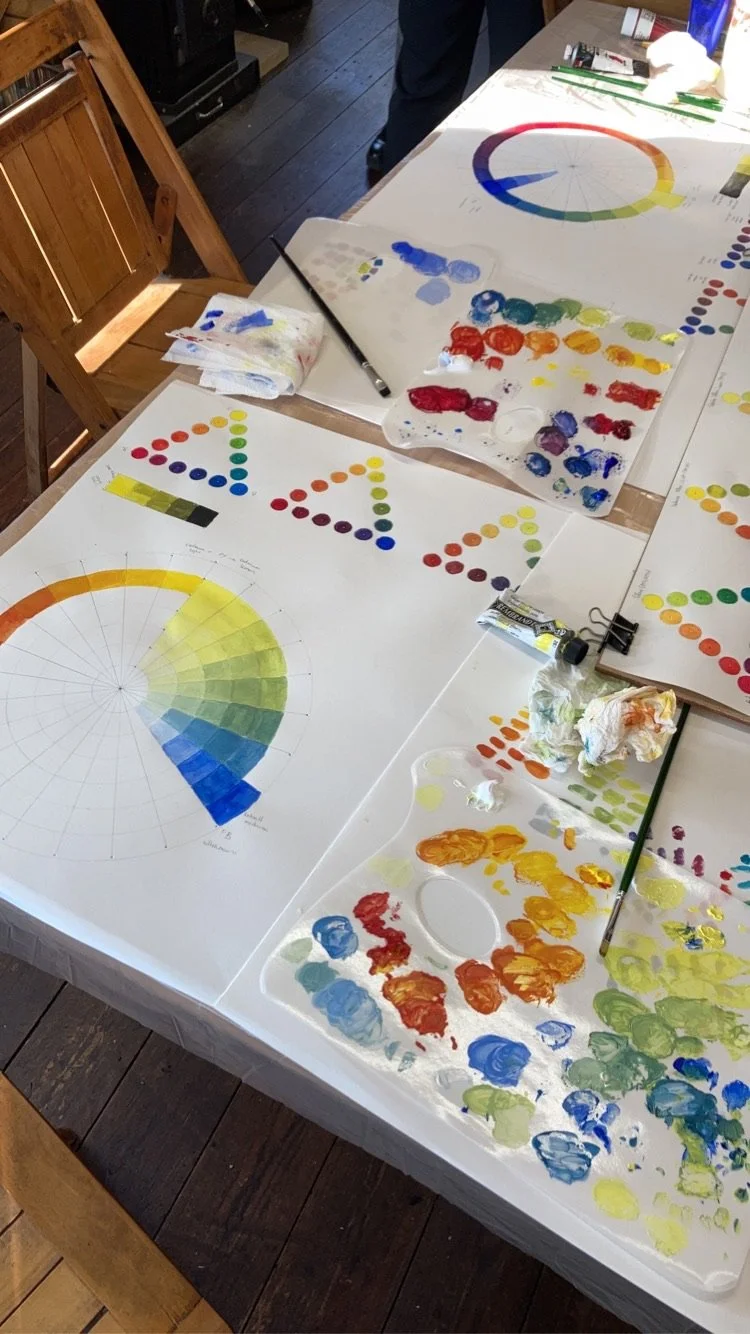
Photograph Emilie Froment
Traditional lining techniques:
Wax-resin lining
Wax-resin lining technique (known as The Dutch Method), originated in the Netherlands during the first half of the 19th century. Roughly 90% of all paintings in Dutch museums have received a wax-resin lining. The negative effects of this technique are the flattening of the surface relief, increased weight and stiffness of the work, and impregnation of wax-resin adhesive into the ground and paint layers. These effects are generally seen as irreversible.
Current conservation ethics do not support this technique, although it is still applied by restorers who have been trained by their fathers/family members: the profession of a restorer used to be craft and passed on from father to son (or daughter, in my case).
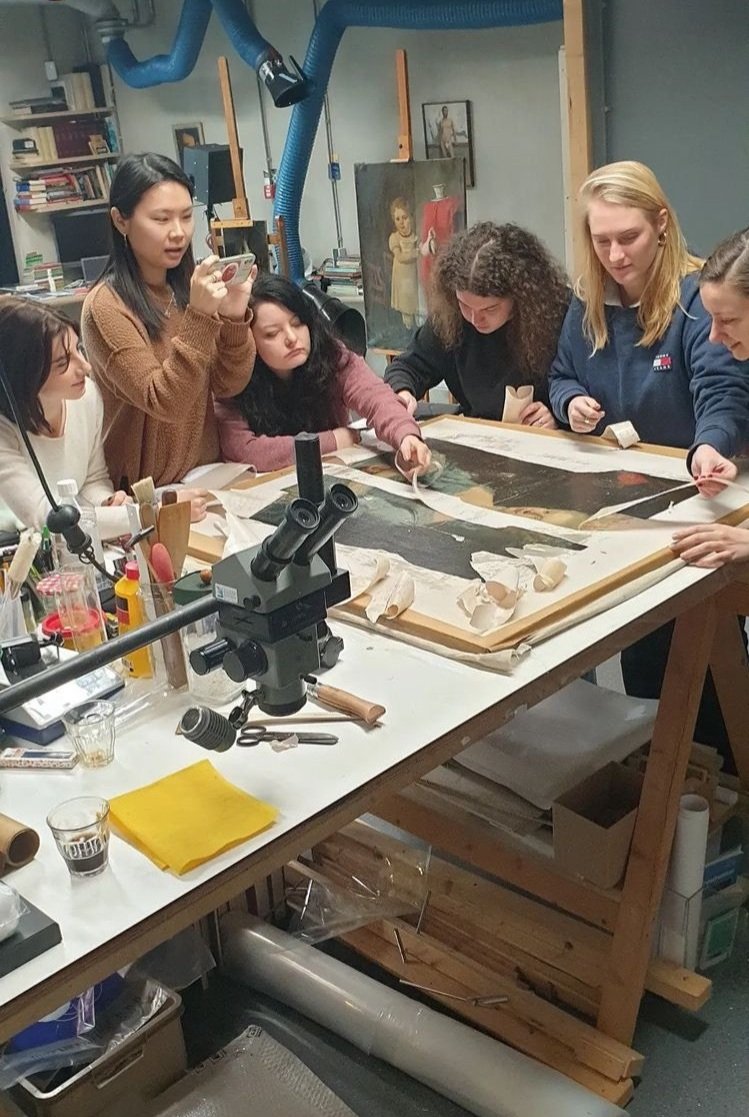
Michel van de Laar, third-generation paintings restorer, opened up his studio to my colleagues and me to show the process of wax-resin lining a painting and the materials and procedures that are involved in this process.
Specialist
Michel van de Laar
Date
21/2/22
Duration
2 days
Photograph Michel van de Laar
Photograph Michel van de Laar